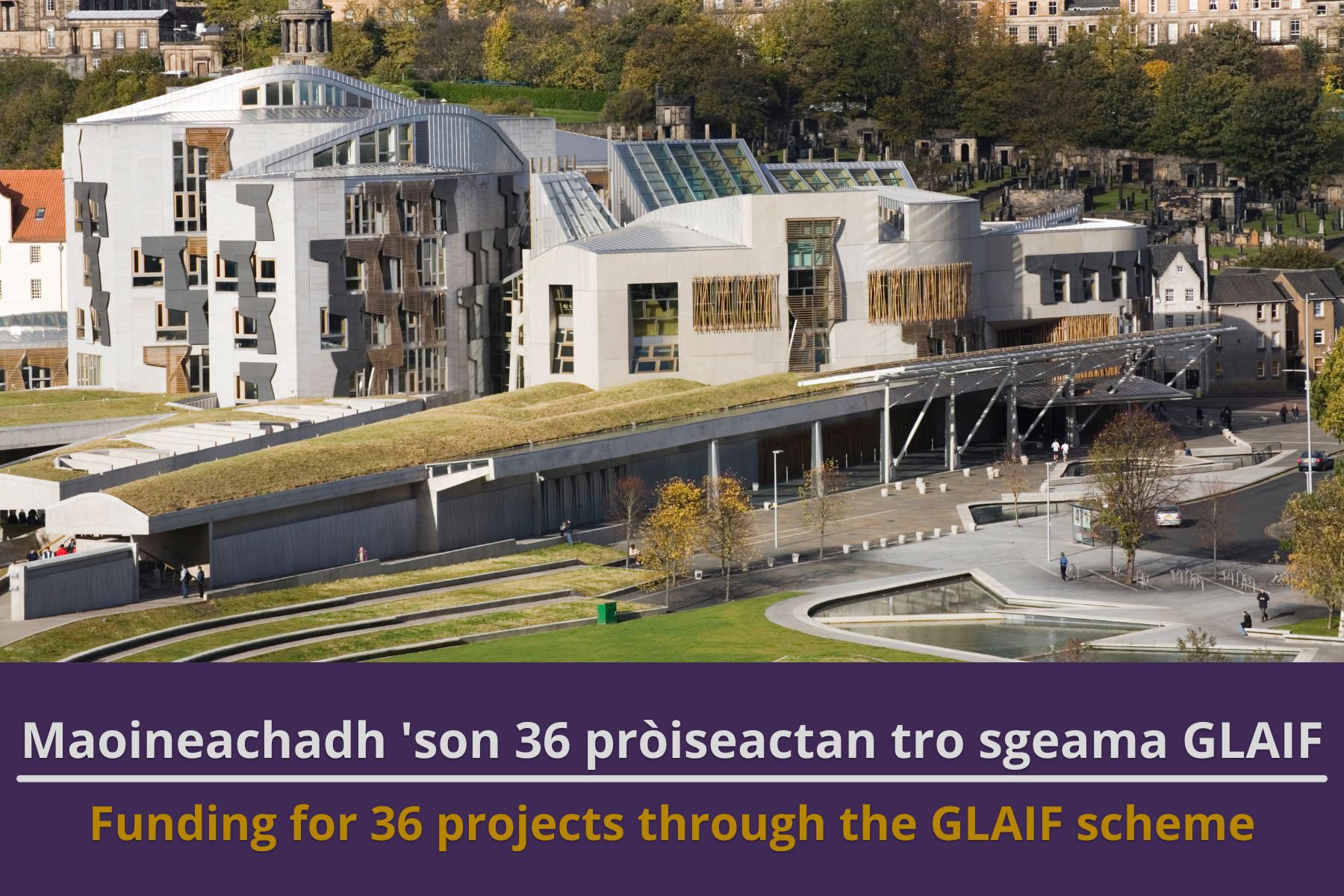
Bòrd na Gàidhlig provide vital funding to public authorities for 36 Gaelic projects

Bòrd na Gàidhlig has awarded over £413,000 to 36 Gaelic projects as part of the Gaelic Language Act Implementation Fund (GLAIF). 

Comhairle nan Eilean Siar is one of a number of Western Isles organisations to benefit from funding for a range of projects, including an award of £20,000 to provide Gaelic classes to its apprentices. 

The Comhairle also received £12,000 to provide an immersion in a Gaelic work environment for students undertaking a summer placement within a local organisation, and a further £8,000 to host Gaelic reminiscence sessions in care homes. Other funding included £7,500 to host LUACH 2023 – a festival of Gaelic events across Lewis and Harris. 

Among the many other organisations receiving funding are the University of the Highlands and Islands Outer Hebrides, who have been awarded £33,000 to offer Gaelic classes across the Western Isles. The National Library of Scotland has been awarded funds to hire an officer to digitise Cinema Sgìre films, while the University of Aberdeen has been provided funding to hire a Gaelic officer. 

The City of Edinburgh Council’s work in developing the Gaelic language has been recognised with an award of £20,000 to extended Capital Gaelic – a project aimed at building the links between Gaelic organisations throughout the city. 

Glasgow Life will carry its Gaelic Arts Strategy into a fifth year, where the organisation will promote a programme of events and campaigns following a £15,000 award, as well as provide training and development opportunities for Gaelic tutors. Glasgow City Council has also been provided with £7,000 of funding to develop an interactive Gaelic map of the city, as well as an additional £3,200 to provide Gaelic tuition to council staff. 

Elsewhere, Leisure and Culture Dundee will benefit from over £1,350, which will go towards delivering Gaelic concerts and presentations in Gaelic for Dundee residents, while Dumfries and Galloway Council has been awarded £5,750 for a Gaelic heritage value study. 

A full overview of projects that received funding can be found via the GrantNav website here 

Further projects that applied through GLAIF will also be supported as the year progresses. 

Mairi MacInnes, Chair at Bòrd na Gàidhlig, said: “The latest round of GLAIF funding shows the reach that Bòrd na Gàidhlig has as we strive to give the Gaelic language the platform to develop, not just in the Highlands and Islands, but throughout Scotland. 

“The breadth of awards across the country show the commitment from many councils and organisations to grow the language and bring it to an altogether new audience as well as supporting existing Gaelic communities. This form of funding plays a major role in ensuring that the language’s rich history is preserved and will be of benefit to people of all ages.” 

Bòrd na Gàidhlig runs funding schemes at different times through the year. If you have a proposal for a project please email: tabhartas@gaidhlig.scot, or phone 07584 103 944. 


Partner Quotes 

Leisure and Culture Dundee 

A spokesperson for Leisure and Culture Dundee said: “Leisure and Culture Dundee are grateful to Bòrd na Gàidhlig for continuing to support the Gaelic Lunchtime Concerts in the Marryat Hall, enabling us to bring the best young Gaelic singers and musicians to perform and for Gaelic to thrive through the joy of music.”   


Comharile nan Eilean Siar 

A spokesperson for Comhairle nan Eilean Siar said: “Comhairle nan Eilean is delighted to be awarded £8k from Bòrd na Gàidhlig to deliver a project attached to Taigh Shiphoirt and Bremner Court, the new care campus being constructed in Stornoway.  ‘Sùil air Ais, Sùil air adhart’ aims to deliver monthly reminiscence events for residents and will enable the purchase of items linked to the islands to stimulate memories and conversations.  Maintaining the spoken language is important  and Sùil air Adhart will support a member of younger staff group to champion and promote Gàidhlig with residents/tenants and among staff.” 


University of the Highlands and Islands 

During 2021-22 over 80 students enrolled on Gaelic courses delivered by UHI Outer Hebrides, and we are delighted, with the support of Bòrd na Gàidhlig, to be able to continue providing opportunities for Gaelic language learning in communities across the Western Isles.  We are pleased to be able to offer classes in 2022-23 in areas such as Barra, Benbecula, Tarbert and Barvas in addition to courses at our Stornoway campus and also online.   

Sue Macfarlane, Interim Principal of UHI Outer Hebrides, said: “UHI Outer Hebrides is committed to increasing Gaelic learning and usage opportunities and continued support from Bòrd na Gàidhlig and partnership working with Community Learning Hebrides enables us to offer a wide range of courses.  We are particularly pleased to be able to offer Gaelic courses free of charge to parents and guardians of children in Gaelic Medium Education.  We continue to work closely with Bòrd na Gàidhlig and partners in assisting with the implementation of the aims and objections of the National Gaelic Language Plan.” 


Glasgow City Council 

A spokesperson for Glasgow City Council said: “Glasgow Life’s Gaelic Arts strategy and programme has enjoyed unwavering support, through GLAIF, for which we, our community, Gaelic artists and audiences are extremely grateful. In 2022/23 we continue to develop Gaelic content at Glasgow Life’s major festivals, Aye Write, Merchant City Festival, Celtic Connections and the Mela aswell as working with an extensive range of partners to deliver: the Literary competition – Litir gu Glaschu(Gaelic Books Council); community drama workshops and Royal National Mod performances (Tricky Hat Theatre Company); 12 weeks of group work for young musicians (Sgoil Ghàidhlig Ghlaschu); devising a new model for Glaschu.net (Glasgow University) with a refreshed steering group; support organisations like Ceòl ‘s Craic and Fèis Ghàidhlig Ghlaschu in a post pandemic context; introduce a new exciting audience development project Trodhadaibh and continue with our flagship community of practice project GUIR!” 


National Library of Scotland 

Alistair Bell, Head of Moving Image Archive, National Library of Scotland said: “At the Moving Image Archive of the National Library of Scotland, we are delighted to receive a grant from Bòrd na Gàidhlig. The project is a partnership with Museum & Tasglann nan Eilean part of Comhairle nan Eilean Siar. Together, we will use the funding to digitise and catalogue a unique collection of video tapes containing spoken Gàidhlig, and share the content with the public, both at community events in the Outer Hebrides and through the Moving Image Archive. The videos were filmed by local people during the 1970s and 80s in a community project, Cinema Sgìre. Our thanks to Bòrd na Gàidhlig for making this project possible.” 


Dumfries and Galloway Council 

Dumfries and Galloway Council’s Chair of the Council’s Communities Committee, Archie Dryburgh, enthused that the Council were delighted to receive funding from the Gaelic Language Act Implementation Fund to support a Gaelic Heritage Value Study within the region. Vice Chair, John Campbell, commented: “This exciting opportunity was identified through our Third Sector partner Gàidhlig Dumgal and we look forward to working with them very closely over the coming period to take this project forward.” 


University of Aberdeen 

A spokesperson: “The University of Aberdeen is delighted to be awarded £24,000 from Bòrd na Gàidhlig’s GLAIF fund. We are thrilled to gain the support from Bòrd na Gàidhlig to recruit a passionate and dedicated Gaelic Language Officer. We look forward to propelling our ambitious Gaelic Language Plan actions further and delivering even more exciting Gaelic language initiatives for the University of Aberdeen community.” 


Edinburgh City Council 

A spokesperson for The City of Edinburgh Council said: “We’re grateful for the continued support from Bòrd na Gàidhlig and delighted to be awarded £20,000 to further develop Capital Gaelic. This project aims to develop a co-ordinated and creative partnership approach to embedding Gaelic as a vibrant part of life in Edinburgh. This is being achieved by piloting interagency working with the Council and The National Library of Scotland convening a multi-agency group to identify opportunities, share knowledge and expertise and shape a vision for the future of Gaelic in the city.” 


Progress over the past six months has included: The development of a Capital Gaelic Facebook page; the setting up a Community Gaelic Interest Group involving staff from all network organisations involved (The City of Edinburgh Council, The National Library of Scotland, The National Galleries of Scotland, Comunn na Gàidhlig, SkillsDevelopment Scotland, National Museums Scotland); stronger links with schools using pupil views of what they would like Capital Gaelic to achieve: Ar Guth (Pupils Voice Group, Àrd Sgoil Sheumais Ghilleasbuig) and the development of Foundational Apprentice in collaboration with Skills Development Scotland.  

Funding Recipients 

University of the Highlands and Islands – Outer Hebrides 

University of the Highland and Islands 

The Highland Council 

City of Edinburgh Council 

University of Aberdeen 

Comhairle nan Eilean Siar 

Glasgow Life 

University of Glasgow 

West Dunbartonshire Council 

North Lanarkshire Council 

Newbattle Abbey College 

Glasgow City Council 

NadarAlba 

Dumfries and Galloway Council 

Angus Council 

Sabhal Mor Ostaig 

Moray Council 

COSLA 

Leisure and Culture Dundee 
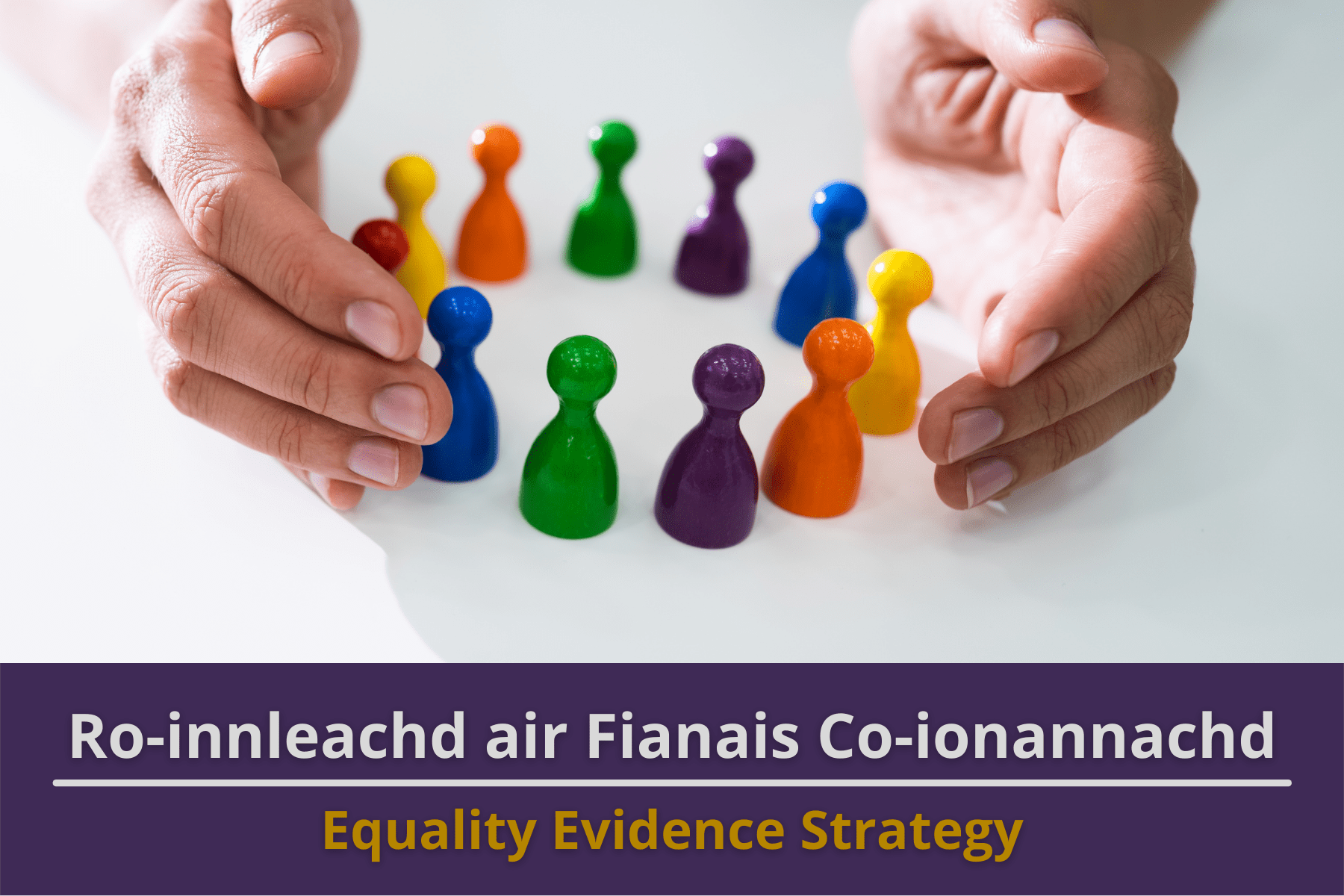
Equality Evidence Strategy

The Scottish Government are consulting on a draft plan to improve and strengthen Scotland’s equality evidence base. The responses they receive through this consultation will help form the basis of Scotland’s new Equality Evidence Strategy.

Bòrd na Gàidhlig has submitted a response to this consultation which includes the following points.

We note that the groups with protected characteristics and the equality variables do not include Gaelic speakers. Thus, there is no consideration of whether Gaelic speakers are facing specific inequalities.

Gaelic speakers have faced discrimination historically and, to some extent, still do so today. There has in the past and there continue to be comments – both in social media and in mainstream print media in particular – in which hostility to the language and its speakers is expressed. Thus, prejudice towards the language and its speakers remains.

Given this, we see the Equality Evidence Strategy as providing an opportunity for greater standardisation/consistency of approach. Specifically, it should consider the case for Gaelic to be included in the assessment of equalities.

The full response can be read here.

Cross-Party Group on Gaelic AGM

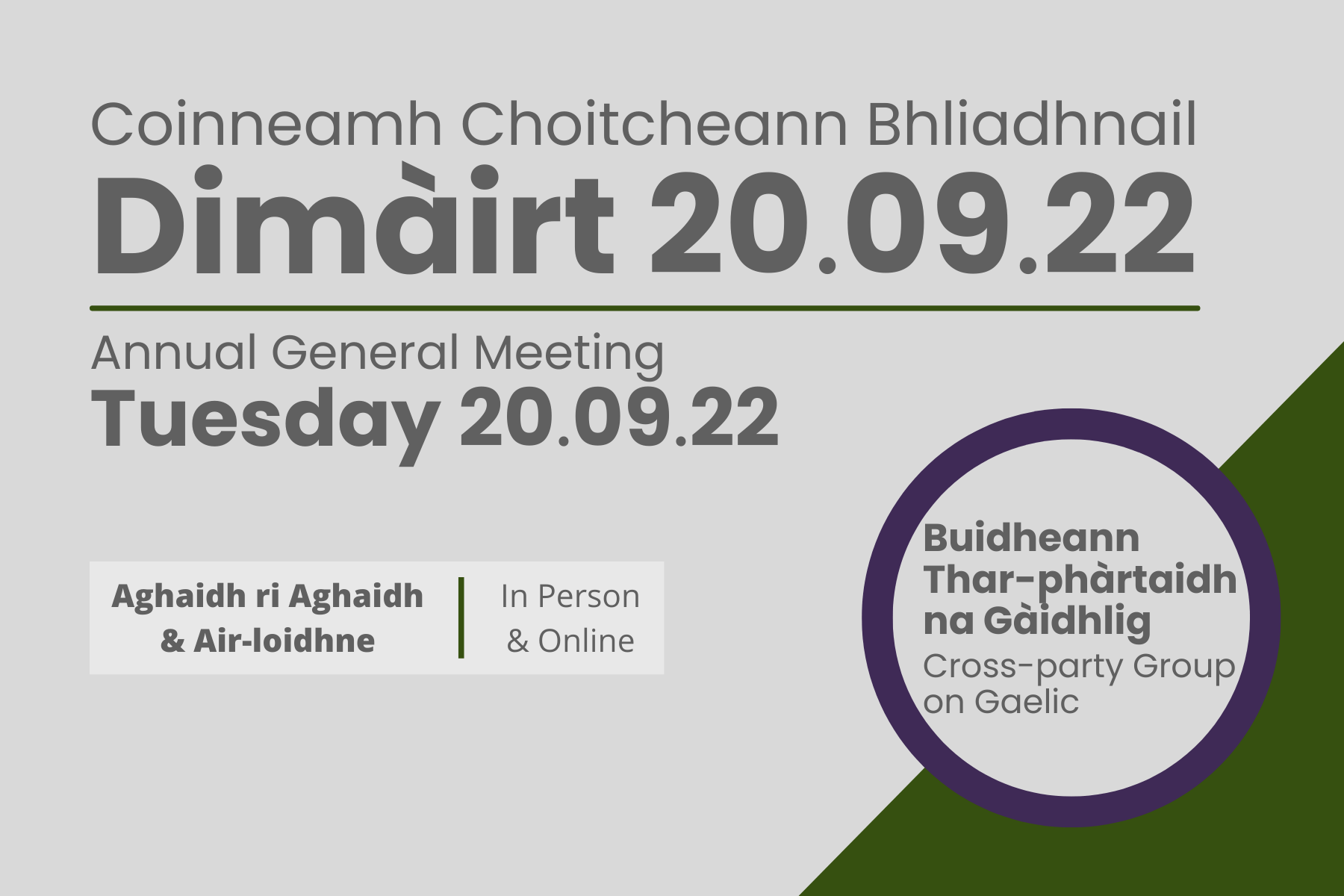
The next meeting of the Cross-party Group on Gaelic will be on Tuesday, 2oth September at 6:30pm and will include the Groups AGM.

The meeting will take place both in-person, at the Scottish Parliament, and online, through Zoom. Translation will only be available through the online meeting, but people attending the meeting in person will still be able to connect to this through a personal device.

If you wish to attend the meeting in person, please register before midday on Friday, 16th September.

Bòrd na Gàidhlig (BnG) is the secretariat of The Cross-Party Group on Gaelic . The group meets at least twice a year, and is hosted by Chair Alasdair Allan (MSP).

Agenda 20.09.2022.

Minutes from the previous meeting.

Annual Return can be found here

If you have any question, please email fios@gaidhlig.scot.

Update: Registration for this meeting has closed.

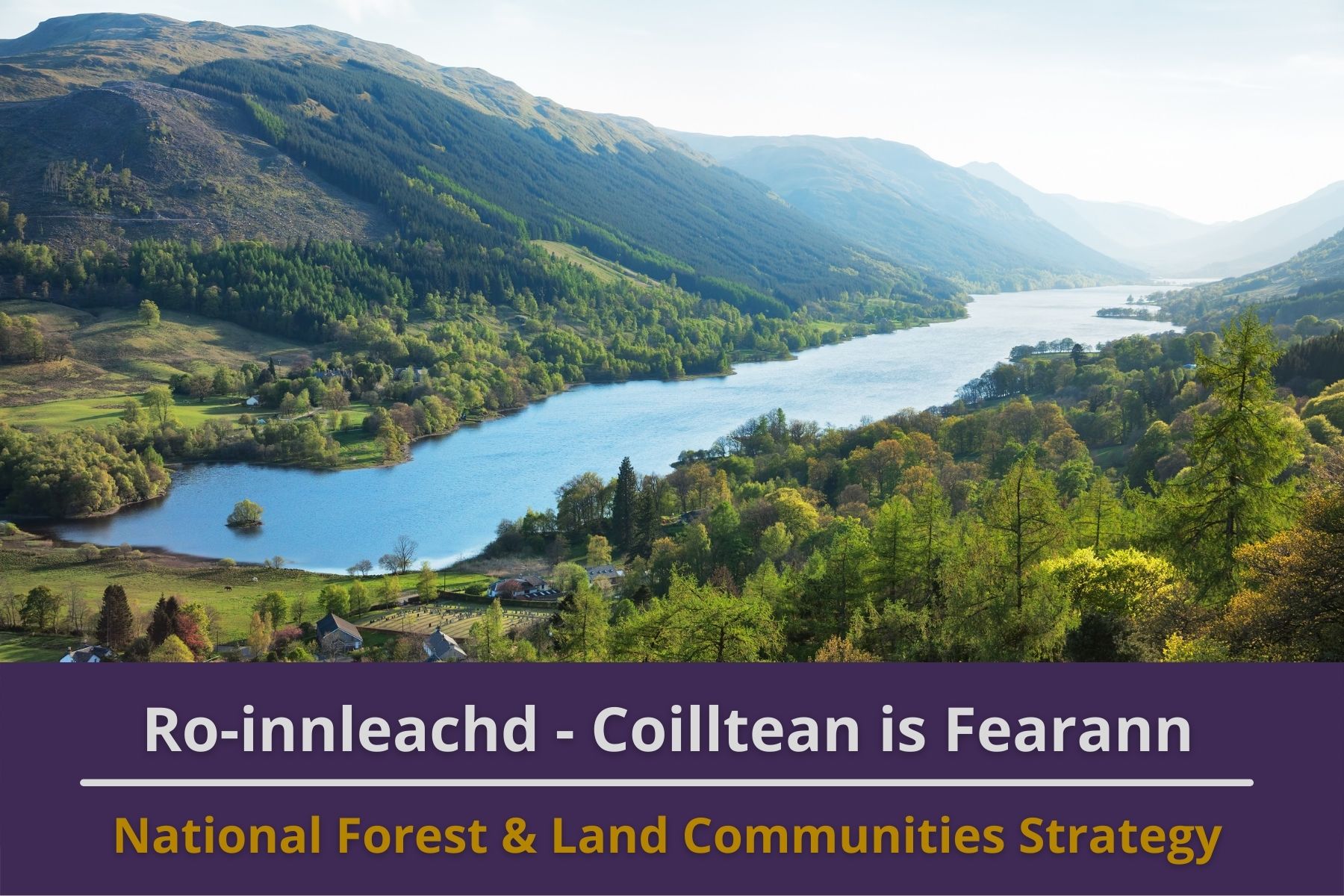
Communities Strategy for Scotland’s National Forest and Land – Draft for Consultation

Forestry and Land Scotland are seeking views on their draft Communities Strategy. Bòrd na Gàidhlig has submitted a response with included the following points:

“Fully empowering communities through encouraging greater community participation depends on effective communication with all types of communities – which must include communicating in Gaelic to Gaelic speaking communities.”

“Land Management Plans should incorporate the original Gaelic names of the areas which they relate to, thereby demonstrating the close link between land, language and people.  This will also increase the sense of participation for Gaelic speakers in the consultation process.”

You can access the full response here.

New Survey Looking at Young People’s Engagement with Gaelic Online

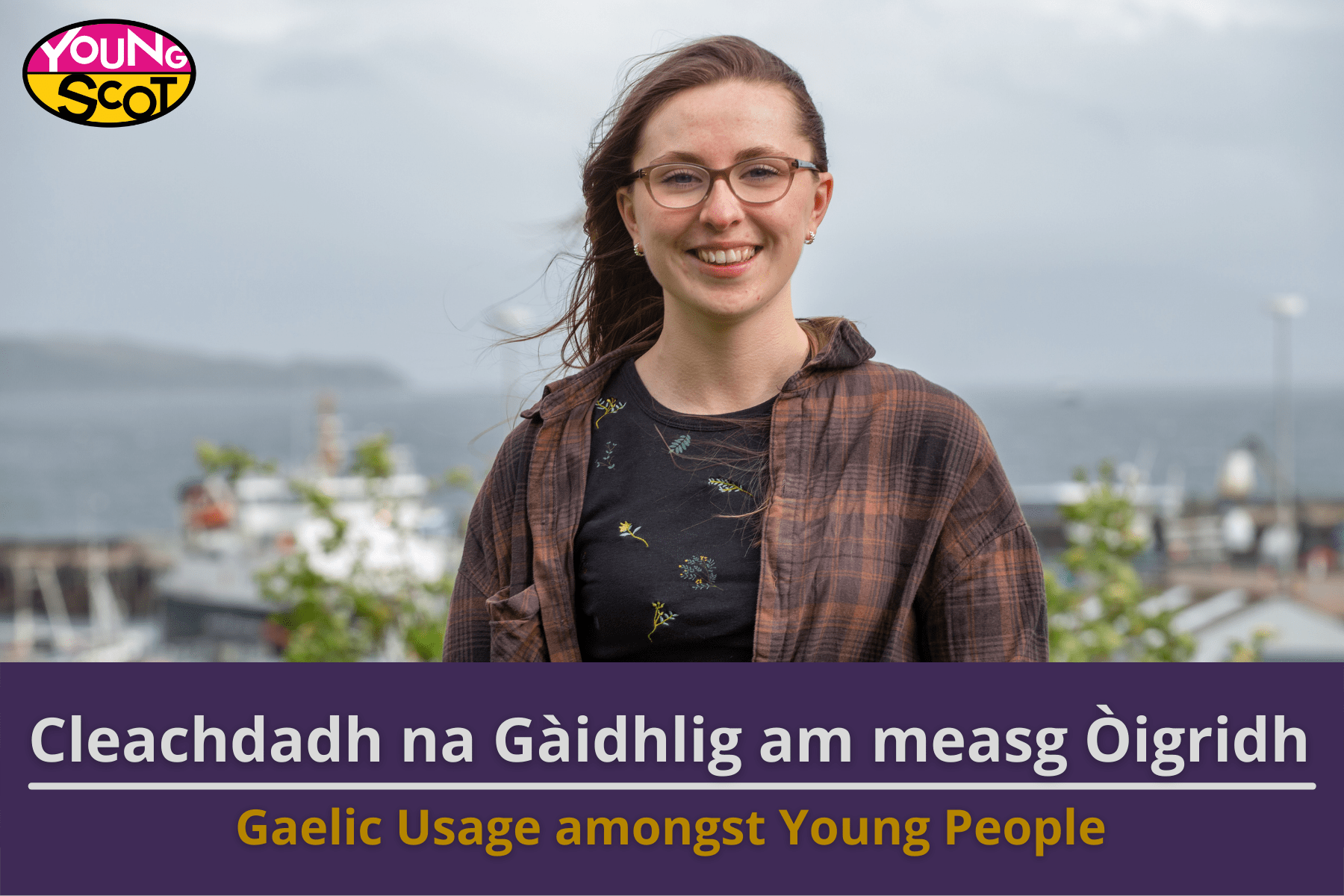
At the beginning of the year, Young Scot ran an online survey to learn more about the online spaces where young people aged 11-26 see and engage with Gaelic and about the Gaelic types of Gaelic content they’d like to see more of. The survey ran between December 2021 and April 2022, just as it did last year, which gave Young Scot the opportunity to compare the responses between the two and track any differences between them.

1,153 young people responded to the survey this year, an increase of 437 on the previous year. Of the young people who answered the survey, 61.1% said they cannot speak, read or write Gaelic, 32.8% said they are currently learning Gaelic, and 6% described themselves as being fluent Gaelic speakers. While the young people answered different questions depending on the level of fluency they described themselves as having, all respondents were asked the same two final questions;

  • How valuable is Scottish Gaelic?
  • How valuable is Scottish Gaelic culture and heritage?

When asked these questions, over two thirds (69.7%) of young people said that Gaelic is valuable or very valuable and nearly three quarters (72.2%) said that Gaelic culture and heritage is valuable or very valuable. Now, that’s some positive news!

Almost three quarters (74%) also said that they would like to see more Gaelic content online and on social media and Instagram (74.1%), TikTok (70.5%) and YouTube (64.6%) are the platforms they use most.

The survey report was published at the beginning of June and you can read that on Young Scot’s corporate website to learn more about the reasons young people gave for wanting to learn Gaelic, the types of online content they like and their feelings towards the Gaelic language.

Read the report here.

Bòrd na Gàidhlig Welcomes New Director of Development

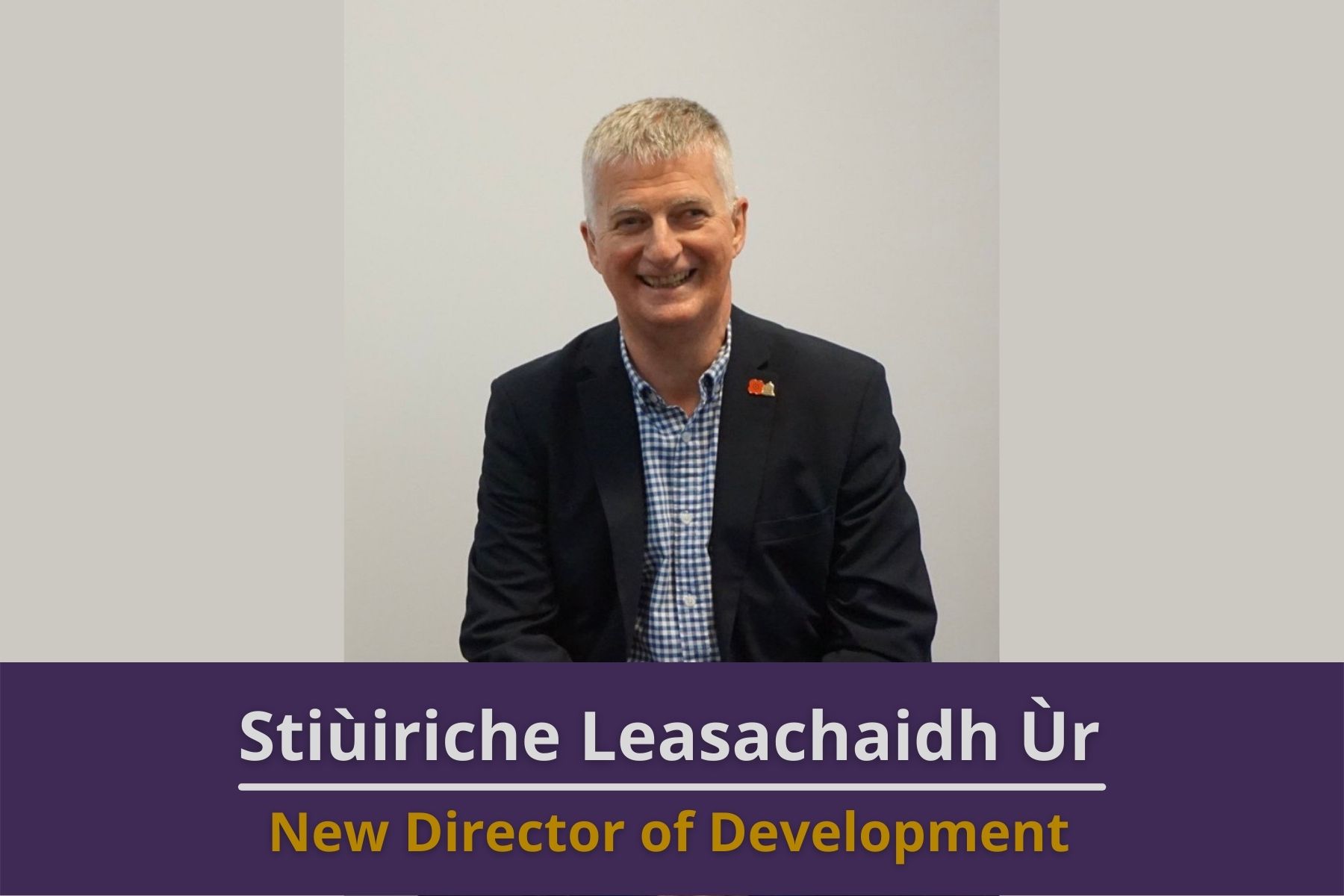
Bòrd na Gàidhlig (BnG) is delighted to announce the appointment of a new Director of Development.

Iain MacMillan has been working with BnG on a 6-month interim post as Director of Development to provide additional support. After a successful recruitment process, Iain will now take up the role on a permanent basis.

Born and raised in South Uist, Iain now lives in Stornoway. He has a wealth of experience in the public sector having spent the last 40 years in various roles and has held senior positions for the last 30 years. Iain was Principal and CEO of Lews Castle College (UHI) for over 8 years until August 2020. From April 2017 to November 2019, he also undertook a part-time role as Vice Principal (Strategic Harmonisation and Operational Efficiencies) for UHI.

From 2004, he had held the post of Director of Finance and Corporate Services at the College. Prior to that, he had held various positions within Local Authorities and Police Services in both Finance and Corporate roles.  

Shona MacLennan, Ceannard Bhòrd na Gàidhlig said:

We are delighted that Iain will be taking on the role of Director of Development on a permanent basis. He brings vast knowledge and understanding of development which will be invaluable in the coming months, and indeed years, while we continue to work on developing the next National Plan. He has a sound understanding of the requirements and opportunities in development and in communities and we know his skills will be of great benefit.”    


Gaelic Medium Education in Renfrewshire

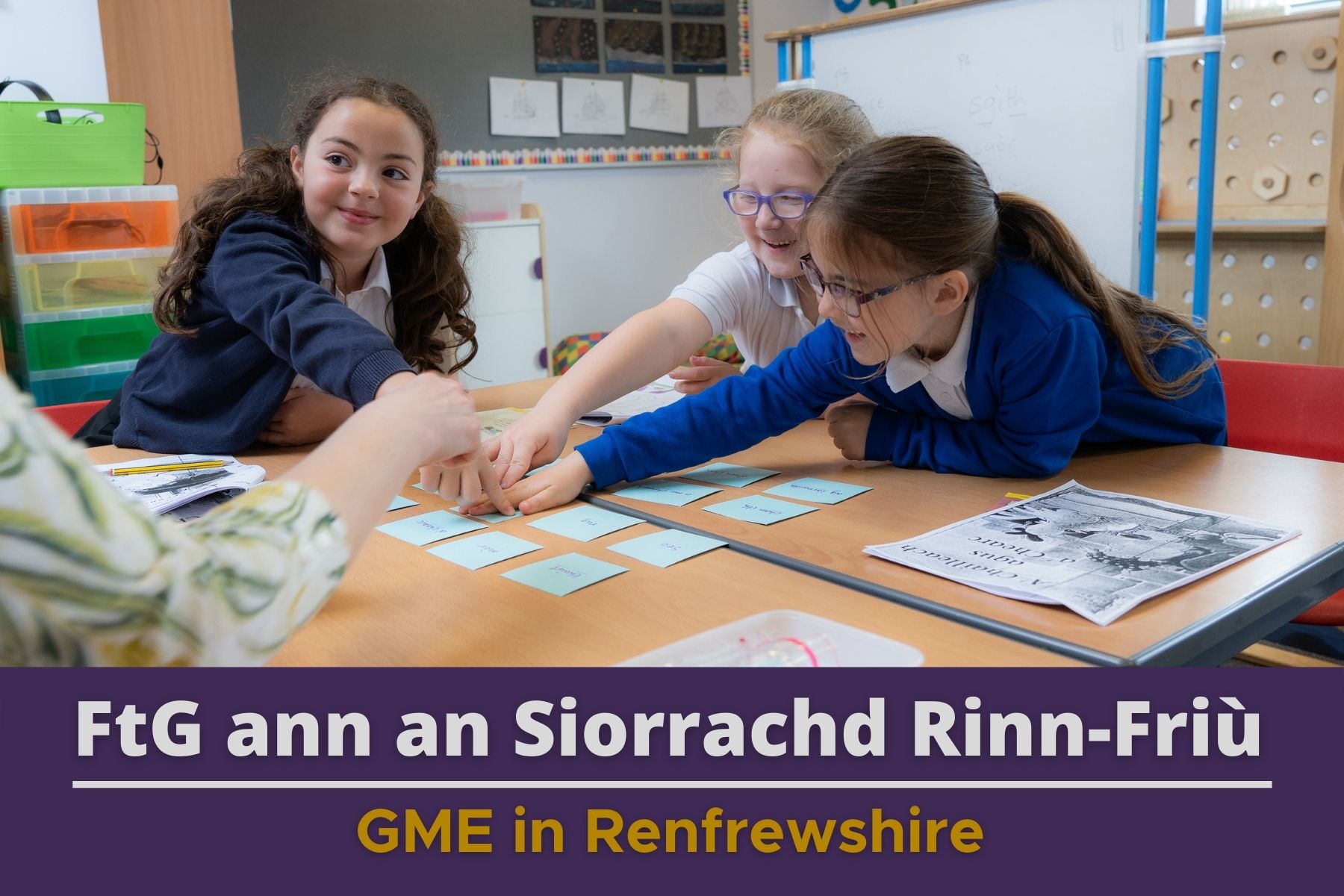
Bòrd na Gàidhlig (BnG) welcome the news that Gaelic Medium Education (GME) will be offered to primary aged pupils in Renfrewshire from August 2022.

Gaelic Medium Education will be based within West Primary School in Renfrewshire where, initially, pupils in classes 1-3 will be offered GME.  There will be one composite class for primary 1-3 from the beginning of the new school year in August.  As demand grows, so too will the schools classes and resources.

West Primary School was selected as the base for the unit due to its central location in the Local Authority Area, thus allowing access to all pupils in the area who are keen to pursue GME.

Bòrd na Gàidhlig in partnership with the Local Authority, and Comann nam Pàrant Nàiseanta has delivered a promotion of Gaelic Medium Education initiative across the Renfrew area with online information events, local radio station interviews and advertising and information through social media. We are extremely pleased that the promotion initiative has led to the setting up of this new Gaelic Medium service.

Mairi MacInnes, Chair of Bòrd na Gàidhlig said:

“It is hugely encouraging for us to see that Renfrewshire have come to this decision.  As one of our aims in the National Gaelic Language Plan to increase the opportunities for Gaelic Medium Education for pupils throughout the county, we welcome yet another Local Authority to the increasing list of those delivering GME provision. ”

Shirley-Anne Somervillle, Cabinet Secretary for Education said:

“The Scottish Government is committed to improving access to Gaelic Medium Education and I recognise the work that Renfrewshire Council has undertaken in delivering this new provision for their young people.

“I wish the young people who will be starting their Gaelic language journey all the best.”


National Lottery Community Fund in Scotland – Bòrd na Gàidhlig’s Response

The National Lottery is seeking views on their Community Fund in Scotland. Bòrd na Gàidhlig has submitted a response. Points raised include:

The Community Fund should help promote opportunities in Scotland for Gaelic speakers. That is through considering how it can help support Gaelic-focussed projects and/or projects in Gaelic communities. Many Gaelic communities are in remote areas and islands. They face significant challenges including population decline, retention of young people, creation of well-paid jobs and high cost/limited availability of housing and transport.

The Fund should review its approach to dealing with Gaelic organisations. That is to ensure the fund is accessible to them – and to offer equal respect for Gaelic.

Responses to other consultations are available here.

Scottish Ambulance Service Draft 2030 Strategy – Bòrd na Gàidhlig Response

The Scottish Ambulance Service is currently in the process of developing their 2030 Strategy and are seeking views before its finalisation.

Bòrd na Gàidhlig submitted a response on the 30 June with various suggestions and recommendations surrounding the Gaelic language.  Examples include:-

We welcome that SAS “will provide the people of Scotland with compassionate, safe and effective care”. As part of this the strategy document should acknowledge that when patients are unwell or distressed conversing with them in their main language provides both comfort and reassurance.

We also welcome that SAS “will adopt an equality and human rights-based approach”. The strategy document could usefully refer to SAS communicating in a range of languages – including Gaelic – given that human rights have a linguistic basis rather than simply a cultural one.

Find other public consultation responses here.

x  Powerful Protection for WordPress, from Shield Security
This Site Is Protected By
Shield Security